
Mossmorran
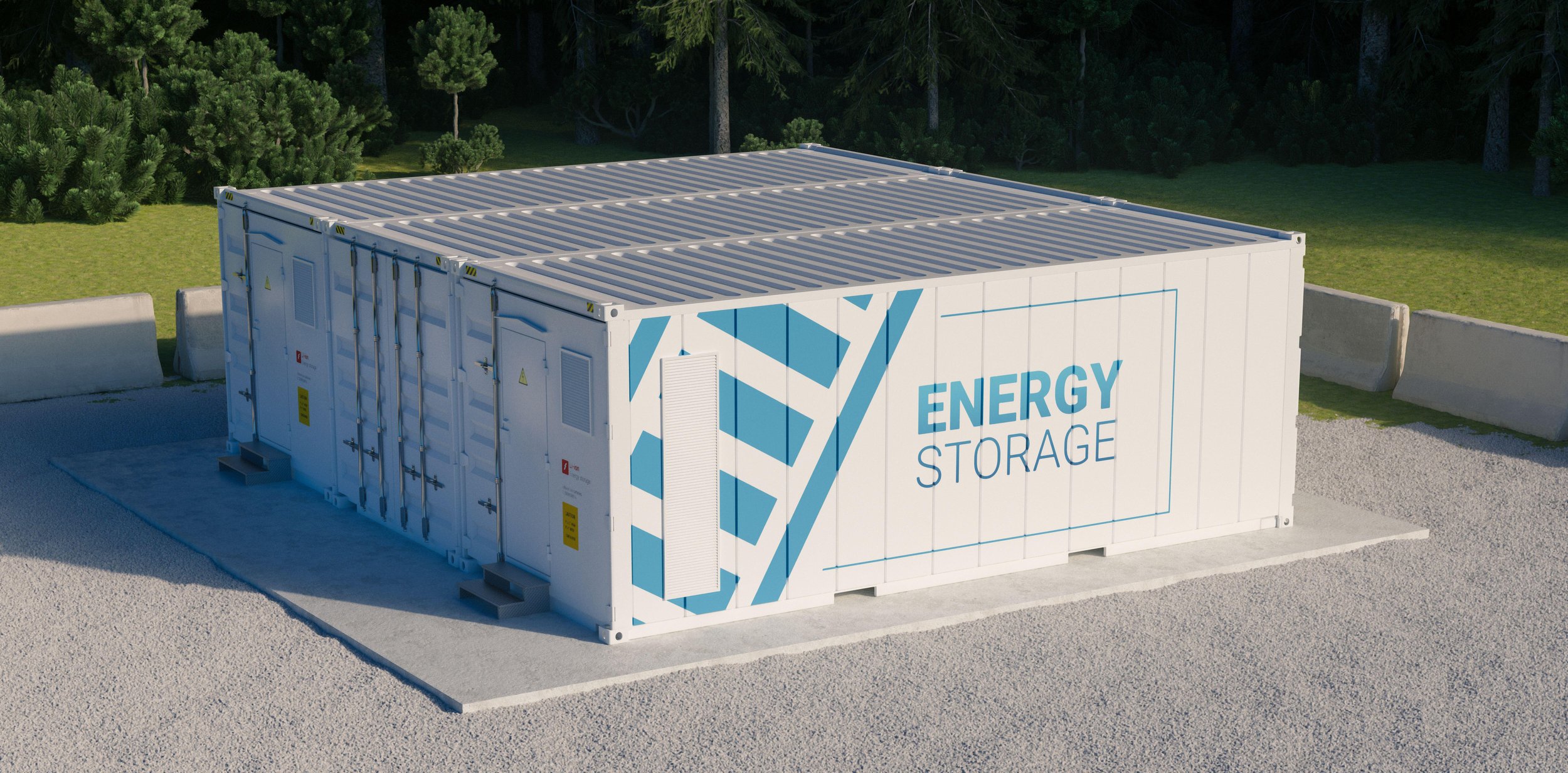
Battery Energy Storage System (BESS)
Mossmorran BESS was granted consent by the Energy Consents Unit in 2025 under reference ECU00004985, authorising a 300MW Battery Energy Storage System on land to the east of the Natural Gas Liquids Plant near Auchtertool, Fife, KY2 5UE.
We are consulting on proposed operational arrangements separating the consented scheme into Parcel A (approximately 200MW) and Parcel B (approximately 100MW). Sign up for the webinar below, which will explain how these arrangements relate to the existing consented scheme and provide an opportunity to comment before an application is submitted.
Register for the webinar
Monday 2 November 2026 · 6pm–7pm (GMT)
Online via Microsoft Teams
Please sign up via the link below
Have your say
Please send comments to feedback@mossmorranbess.co.uk by Sunday 8 November 2026.
Comments made to the applicant are part of the pre-application consultation process and are not representations to the Scottish Ministers. If the applicant submits a planning application, there will be an opportunity to make formal representations on the application to the Scottish Ministers.
What is being proposed?
Gresham House Devco Pipeline Ltd are preparing to split the proposals on land to the east of the Natural Gas Liquids Plant near Auchtertool, Fife, KY2 5UE.

Where is the consented proposal?

FAQs
-
Energy storage is a vital technology that will help the UK Government achieve its goals outlined in the “British Energy Security Strategy” published in April 2022. This strategy aims to shift from fossil fuels to a more environmentally friendly system.
The Scottish Energy and Climate Change Directorate has similarly highlighted the importance of battery storage to Scotland specifically, in its Draft Energy Strategy and Just Transition Plan (January 2023).
Energy storage plays a key role in making renewable energy sources more reliable and efficient, especially as we transition to smaller, intermittent power generations systems.
-
Battery energy storage sites typically do not create sounds louder than the natural background noise. A thorough noise evaluation is being completed for this site. To further reduce any potential noise, the project plan
will include various noise mitigation measures, including the possibility of acoustic fencing and green borders, such as native tree or hedge planting.
-
The BESS is a temporary development and will not change the land classification. When the BESS has been decommissioned, the consent will require the land to be restored to its previous purpose as agricultural land.
Temporary development consent ensures that the land will not be classed as ‘brownfield’ after decommissioning.
-
The Lithium-Ion batteries that will
be used in the project are not reliant on scarce raw materials. There are established recycling processes for recovering the most common elements used in battery construction - cobalt, nickel, lithium and manganese - for re-use.
-
Once the BESS facility is operational, it will maintain a minimal presence, primarily necessitating occasional visits for operations and maintenance. The only period that might potentially affect traffic is during the temporary construction phase.
During the construction of the BESS facility, traffic will be effectively managed through a Construction Traffic Management Plan (CTMP). This plan will incorporate measures such as an HGV booking system and time- based restrictions for traffic arrivals on-site, with the aim of preventing local network disruptions during peak times, like rush hours and school drop-off or pickup times. In preparation for the planning submission, local input on additional measures to minimise impact is highly encouraged.
About Us
Gresham House is a specialist alternative asset management group, dedicated to sustainable investments across a range of investment strategies, including Battery Energy Storage, Renewable Energy, Sustainable Infrastructure and Forestry. Our origins stretch back to 1857, while our focus is on the future and the long term.
Gresham House New Energy is the clean energy division within Gresham House that will be responsible for the development of the proposed battery energy storage facility at this site. Our New Energy strategy and investments aim to support the shift from a world powered by finite resources to a new energy world powered by renewables.
The Gresham House New Energy team has a proven track record in developing and operating renewable generating and battery energy storage assets and currently manages operational and development solar, wind and battery energy storage projects of c.2,500MW. Of this, Gresham House Energy Storage Fund plc (GRID) the UK’s largest battery energy storage fund, currently operates c.600MW of BESS (battery energy storage systems) at 21 sites around the UK.
Gresham House is listed on the London Stock Exchange and actively manages c.£8 billion of assets on behalf of investors which include institutions, charities and endowments, and family offices. We act responsibly within a culture of empowerment that encourages individual flair and entrepreneurial thinking.
For more information visit: www.greshamhouse.com
We value your input and feedback in shaping this project proposal. Thank you.


Why does Scotland need BESS?
Energy storage is a crucial technology that holds particular significance for Scotland. The Scottish Energy and Climate Change Directorate, in its Draft Energy Strategy and Just Transition Plan (January 2023), has emphasised the importance of battery storage for Scotland.
This focus aligns with the broader goals outlined in the “British Energy Security Strategy” published in April 2022, which seeks to transition the UK away from fossil fuels towards clean energy.
Energy storage plays a key role in making renewable energy sources more reliable and efficient, especially as we transition to smaller, intermittent power generations systems.
